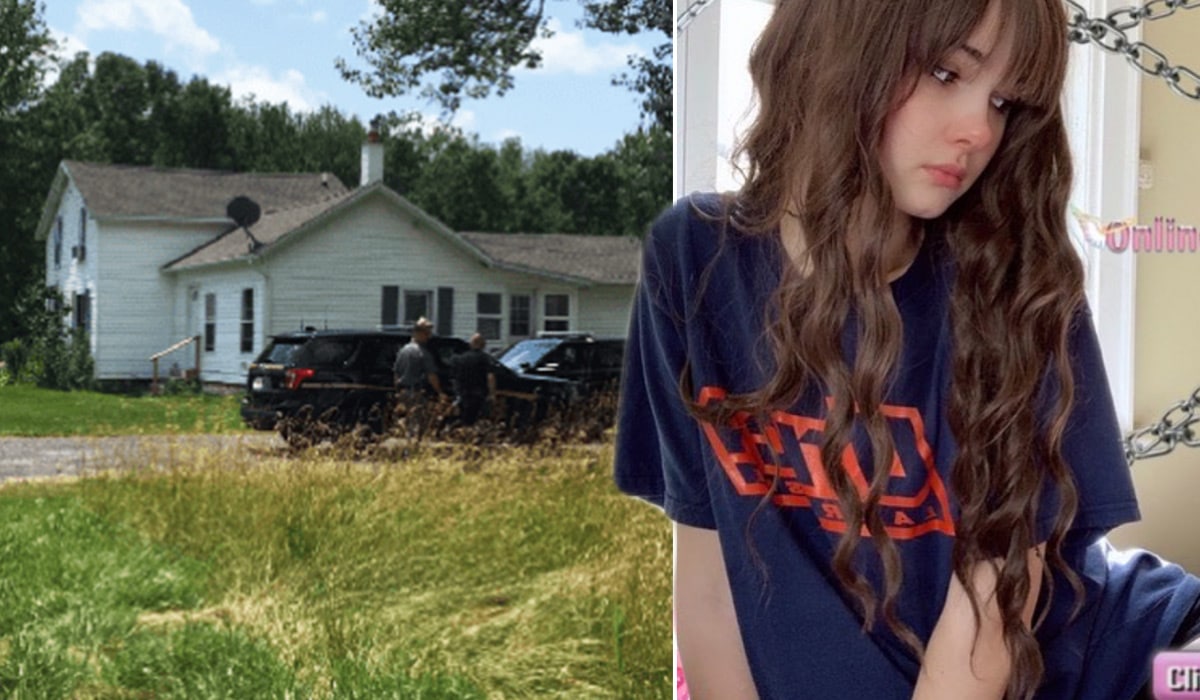
Bianca Devins Tragedy What Happened And Why
Lead: The tragic death of Bianca Devins in July 2019 captivated national attention, sparking widespread discussions about online safety, mental health, and the swift spread of graphic content across social media platforms. The incident, which unfolded with horrifying public visibility, highlighted critical vulnerabilities in digital spaces and intensified calls for greater accountability from technology companies. This article delves into the harrowing events surrounding Bianca Devins' murder, examines the broader societal implications it uncovered, and explores the enduring questions it raised about internet culture and violence.
What Is the Bianca Devins Tragedy
The Bianca Devins tragedy refers to the murder of 17-year-old Bianca Devins on July 14, 2019, in Utica, New York. Devins was killed by Brandon Clark, a 21-year-old acquaintance she had met online. The shocking aspect of the case, beyond the brutal act itself, was Clark's decision to post graphic images of Devins' body on multiple social media platforms, including Instagram and Discord, in the immediate aftermath of the crime. These images rapidly circulated online, causing immense distress and leading to a concerted effort by law enforcement and online users to report and remove the content.
- Bianca Devins was a rising high school graduate with a vibrant online presence.
- Brandon Clark was arrested at the scene after attempting suicide and later pleaded guilty to second-degree murder.
- The dissemination of graphic photos online was a significant and disturbing component of the tragedy.
Why the Bianca Devins Tragedy
The Bianca Devins tragedy garnered significant and sustained public attention not for a positive trend, but due to several deeply troubling factors that resonated within society. The immediate, widespread dissemination of crime scene photos by the perpetrator shocked millions and ignited fervent discussions about content moderation policies, the dark corners of the internet, and the rapid spread of harmful imagery. The case served as a stark reminder of the potential for real-world violence originating from online interactions and the profound failure of platforms to promptly manage and remove such egregious content. Beyond the immediate horror, the incident prompted a deeper examination of online exploitation, mental health crises, and the responsibilities of social media companies in protecting their users.
Dates, Locations, or Key Details
The tragic events unfolded primarily in Utica, New York, in July 2019. Key details include:
- July 13, 2019: Bianca Devins and Brandon Clark attended a concert in New York City.
- July 14, 2019: The pair returned to Utica, where Devins was murdered. Clark then posted images of her body online.
- Location: The crime occurred near the Utica-Rome (N.Y.) metropolitan area, specifically in a wooded area off an interstate.
- Perpetrator's Actions: Brandon Clark posted graphic photos of Devins' body on Instagram and Discord, leading to widespread reporting and eventual removal by platform administrators and law enforcement intervention.
- Legal Outcome: Brandon Clark was charged with second-degree murder. After initially pleading not guilty, he changed his plea to guilty in February 2020. He was sentenced to 25 years to life in prison in March 2021.
The speed with which the graphic images spread online before being taken down highlighted the challenges platforms face in controlling user-generated content, especially in real-time crisis situations.
Understanding the Broader Implications and Accessing Support
While the Bianca Devins tragedy is not an event to "get involved" with in the traditional sense, understanding its implications offers crucial insights for promoting online safety and supporting related causes. Practical insights for individuals and communities include:
- Educate on Online Safety: Learn about the risks of online interactions, particularly with strangers. Emphasize the importance of protecting personal information and being cautious about meeting online acquaintances in person.
- Support Content Moderation Efforts: Advocate for stronger content moderation policies and faster response times from social media platforms to remove harmful and illegal content.
- Promote Mental Health Awareness: The case brought forth discussions about the perpetrator's mental state and broader issues of mental health among young adults. Support organizations dedicated to mental health awareness and intervention.
- Learn About Cyberbullying and Online Harassment: Understand the signs and impacts of cyberbullying and online harassment, and know how to report it effectively.
- Support Victims of Violence: Contribute to or volunteer with organizations that provide support, resources, and advocacy for victims of domestic violence and violent crimes.
What To Expect from Discussions Around the Tragedy
- Continued emphasis on the need for robust content moderation and platform accountability.
- Ongoing dialogue about online safety protocols and educating younger generations on digital risks.
- Increased awareness regarding the prevalence and impact of violence originating from online relationships.
- Further exploration of mental health challenges and their potential role in violent behavior.
- A lasting reminder of the human cost of unregulated online spaces and the responsibility of users and platforms alike.
The Broader Impact of the Bianca Devins Tragedy
The tragedy profoundly impacted public discourse on several fronts. Culturally, it forced a reckoning with the darker aspects of internet communities, particularly those prone to morbid curiosity or the rapid dissemination of violent imagery. For social media companies, it intensified scrutiny over their moderation policies and their capacity to respond to rapidly evolving crises involving illegal content. The incident became a case study for how real-world violence can intersect with online behavior, leading to calls for legislative changes and more stringent enforcement against cyber-enabled crimes. It also underscored the pervasive issue of gender-based violence, highlighting the extreme dangers that can arise from interpersonal conflicts, especially within the context of online relationships. Expert insights, often cited in reports from organizations like the Cyber Civil Rights Initiative, frequently point to the need for a multi-faceted approach involving technology, education, and legal frameworks to combat such threats.
The Bianca Devins case became a grim benchmark for how quickly and widely graphic content can spread online, forcing a necessary, albeit uncomfortable, conversation about the role of social media platforms in both enabling and mitigating the harm of such acts.
Economic or Social Insights
From a social perspective, the tragedy fueled conversations about the normalization of violence in certain online subcultures and the ethical responsibilities of individuals consuming or sharing such content. It highlighted the devastating psychological impact on victims' families and communities, as they grappled with the public nature of their grief. Economically, the incident likely spurred increased investment in AI-driven content moderation tools by major tech companies, as the human toll and reputational damage of such events became undeniably clear. News outlets like The New York Times and CNN extensively covered the legal proceedings and the societal backlash, reflecting the significant public interest and the ongoing debate over internet governance and online safety protocols.
Frequently Asked Questions About the Bianca Devins Tragedy
- What is the Bianca Devins tragedy? The Bianca Devins tragedy refers to the murder of 17-year-old Bianca Devins in July 2019 by Brandon Clark, an acquaintance she met online. The case gained notoriety due to Clark's act of posting graphic images of her body on social media, leading to widespread outrage and calls for greater online safety and content moderation.
- Why is the Bianca Devins tragedy significant? It is significant because it starkly illustrated the real-world dangers stemming from online interactions, the rapid spread of graphic content, and the challenges faced by social media platforms in moderating such material. It became a focal point for discussions on online exploitation, mental health, and platform accountability.
- How can people learn from or support efforts related to this event? Individuals can learn by educating themselves on online safety, advocating for stronger content moderation, and supporting organizations focused on mental health awareness, cybercrime prevention, and victim support.
- Is the information surrounding the tragedy legitimate or official? Yes, the details of the tragedy, including the murder, the perpetrator's actions, and the legal proceedings, are well-documented through official police reports, court records, and extensive coverage by reputable news organizations.
- What can people expect from continued discussions about it? Discussions are likely to continue focusing on the evolution of online safety measures, the ethical responsibilities of social media users, the ongoing fight against online harassment and violence, and the importance of mental health support.
Conclusion
The Bianca Devins tragedy serves as a poignant and enduring reminder of the critical need for vigilance and responsibility in our increasingly interconnected world. It brought to the forefront uncomfortable truths about online risks, the rapid spread of harmful content, and the profound impact of violence. While the loss of Bianca Devins is an irretrievable tragedy, the widespread public discourse it ignited continues to push for improvements in online safety, content moderation, and mental health awareness. Her story underscores the vital importance of protecting vulnerable individuals in digital spaces and fostering a safer internet for all.
Call to Action: Readers are encouraged to learn more about online safety best practices, support organizations dedicated to preventing online violence and harassment, and advocate for stronger protections on social media platforms to prevent similar tragedies.