
Jimmy Kimmels Most Talked About Comments
Lead: Jimmy Kimmel, a prominent figure in late-night television, has consistently sparked widespread discussion with his on-air commentary. These moments, ranging from heartfelt monologues to sharp political observations, often transcend the typical talk show format, becoming significant cultural touchstones. Understanding why Jimmy Kimmel's most talked about comments resonate so deeply provides insight into the intersection of entertainment, public discourse, and social media's role in amplifying celebrity voices. This article delves into the nature, impact, and lasting significance of these noteworthy remarks, offering a comprehensive look at their place in contemporary media.
What Is Jimmy Kimmel's Most Talked About Comments?
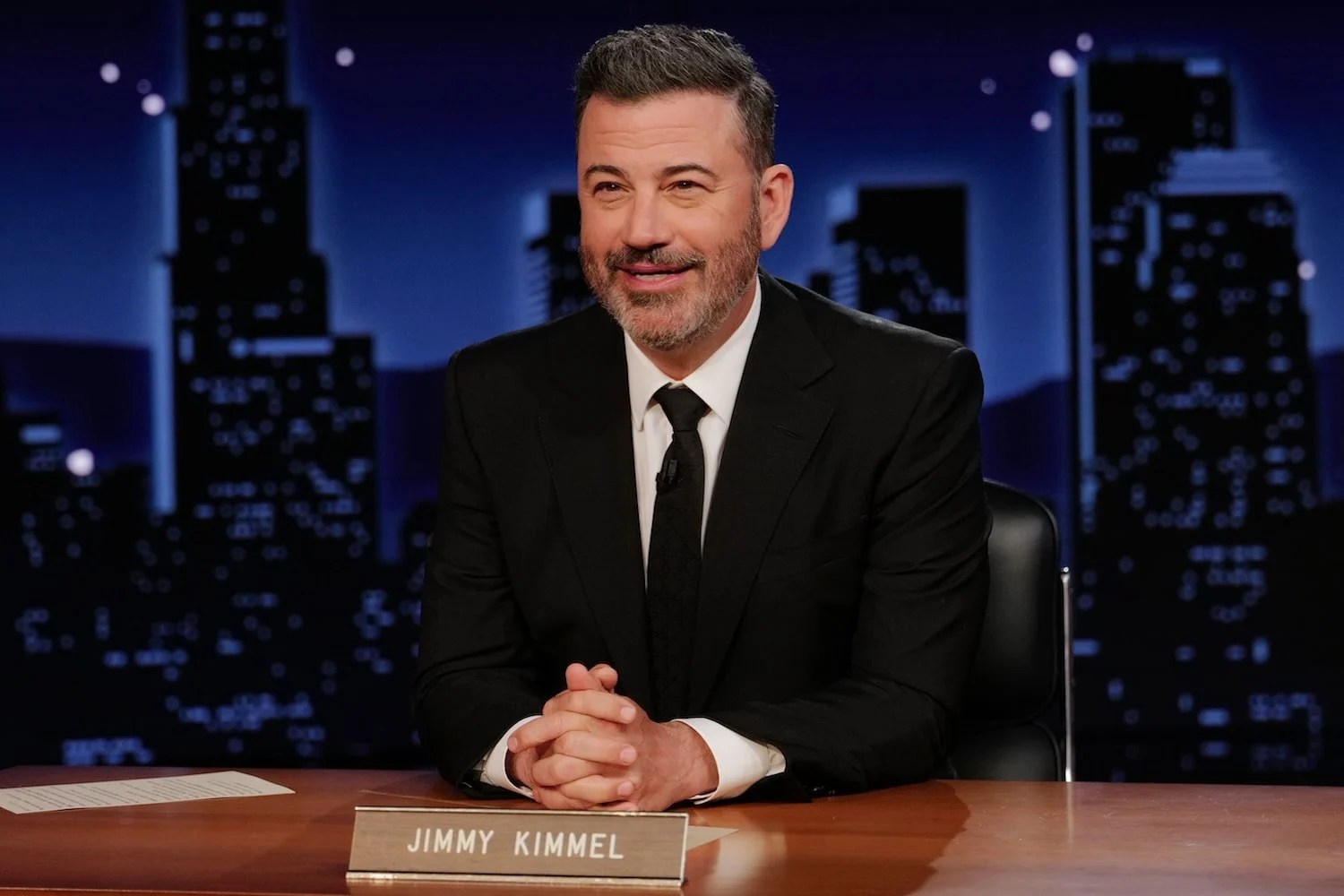
Jimmy Kimmel's most talked about comments refer to specific instances where the host, during his monologue or an interview segment on Jimmy Kimmel Live!, delivers remarks that garner significant media attention, social media buzz, and public debate. These comments are characterized by several key features:
- Emotional Resonance: Often involving personal anecdotes, especially concerning family or health, which evoke empathy and connect with a broad audience.
- Political and Social Commentary: Direct and often passionate addresses on current events, policy debates, or social issues, frequently taking a clear stance.
- Celebrity Engagements: Unscripted or particularly memorable interactions with guests that reveal a unique perspective or a host's genuine reaction.
- Viral Impact: Remarks that quickly spread across online platforms, often clipped and shared extensively on news sites, social media, and video-sharing platforms.
These comments are not merely jokes but often represent a departure from traditional late-night humor, delving into more serious or emotionally charged topics that reflect the national conversation.
Why Jimmy Kimmel's Most Talked About Comments Is Trending
The consistent trending nature of Jimmy Kimmel's most talked about comments can be attributed to several factors that converge in the modern media landscape:
- Authenticity and Empathy: Kimmel's ability to deliver sincere, unvarnished opinions, particularly on sensitive topics, resonates with an audience often looking for genuine human connection in public figures.
- Polarized Political Climate: In an era of heightened political engagement, late-night hosts have increasingly become platforms for commentary, and Kimmel's outspoken stances often align with or challenge segments of public opinion, fueling discussion.
- Social Media Amplification: Viral clips of his monologues and interviews are tailor-made for sharing on platforms like X (formerly Twitter), Facebook, and Instagram, expanding their reach far beyond traditional broadcast viewership.
- Cultural Relevance: By addressing pressing social issues, Kimmel's comments tap into ongoing cultural dialogues, making them relevant to a wider conversation beyond entertainment news.
- Media Scrutiny: As a prominent late-night host, Kimmel's words are often dissected and debated by news outlets, pundits, and media watchdogs, further cementing their status as "talked about."
Dates, Locations, or Key Details
Jimmy Kimmel's tenure as a late-night host on Jimmy Kimmel Live! began in 2003, and the show broadcasts from the El Capitan Entertainment Centre on Hollywood Boulevard in Los Angeles, California. Over the years, particularly since the mid-2010s, his commentary has increasingly taken on a more significant public profile. While specific dates for every "most talked about" comment vary, key periods often coincide with major national events, such as:
- Significant legislative debates (e.g., healthcare reform).
- National tragedies or crises.
- High-profile social justice movements.
- Major political campaigns and elections.
These moments highlight a shift in late-night television, where hosts are increasingly seen as cultural commentators rather than solely comedic entertainers, leveraging their prime-time platform to engage with serious issues affecting U.S. readers.
How To Get Involved or Access Jimmy Kimmel's Most Talked About Comments
Engaging with Jimmy Kimmel's commentary is straightforward for U.S. audiences:
- Tune into Jimmy Kimmel Live!: The show airs weeknights on ABC, typically at 11:35 PM ET/PT. Checking local listings for exact times is always recommended.
- Follow Official Social Media Channels: The show maintains active presences on platforms like YouTube, X, Facebook, and Instagram, where clips of monologues, interviews, and viral moments are frequently posted.
- Visit the Official ABC Website: Full episodes and specific segments are often available for streaming on demand through the ABC website or its affiliated apps.
- Subscribe to News and Entertainment Feeds: Major news outlets and entertainment websites frequently report on and share clips of Kimmel's most impactful comments.
What To Expect
- Expect candid and often emotionally driven commentary on current events and personal experiences.
- Anticipate content that may spark debate and varied reactions across social media and traditional news outlets.
- Look for a blend of humor and seriousness, where profound statements often emerge from a comedic framework.
The Broader Impact of Jimmy Kimmel's Most Talked About Comments
The influence of Jimmy Kimmel's most talked about comments extends beyond entertainment, shaping aspects of culture and public discourse. These moments often contribute to the national conversation, giving voice to particular viewpoints and prompting widespread reflection. His ability to deliver serious messages within a popular entertainment format makes complex issues accessible to a broad audience, blurring the lines between news and comedy. This approach has positioned late-night hosts as influential figures in public opinion, capable of moving beyond simple political jabs to profound social commentary. Insights from media analysts often point to the increasing role of such programs in shaping voter sentiment and cultural attitudes, as noted by publications like Variety and The Hollywood Reporter.
Late-night hosts like Jimmy Kimmel have evolved into critical cultural barometers, reflecting and influencing public sentiment with remarks that often spark vital national conversations.
Economic or Social Insights
The phenomenon of "talked about comments" has tangible economic and social implications within the entertainment industry. Viral segments translate into increased viewership, higher digital engagement, and valuable social media impressions, all of which are critical for advertising revenue and network prestige. Beyond the immediate economics, these moments also contribute to a show's social capital, cementing its relevance and influence in a competitive media landscape. From a social perspective, these comments often serve as catalysts for discussion, prompting individuals to engage with critical issues and sometimes leading to advocacy or awareness campaigns. Their widespread sharing across platforms highlights the power of media personalities in mobilizing attention and shaping cultural narratives, an aspect frequently analyzed by sources such as Business Insider and Pew Research Center studies on media consumption.
Frequently Asked Questions About Jimmy Kimmel's Most Talked About Comments
- What is Jimmy Kimmel's most talked about comments? This refers to specific remarks made by late-night host Jimmy Kimmel on his show, Jimmy Kimmel Live!, that attract significant media attention, public discussion, and widespread sharing across digital platforms, often concerning social, political, or personal matters.
- Why is Jimmy Kimmel's most talked about comments popular? Their popularity stems from Kimmel's authentic delivery, the timeliness of the topics addressed, their resonance with current cultural and political debates, and the rapid amplification provided by social media.
- How can people participate or experience it? Audiences can watch Jimmy Kimmel Live! on ABC, follow the show's official social media channels for clips and updates, or visit the ABC website for on-demand content. News and entertainment sites also frequently cover these moments.
- Is it legitimate or official? Yes, these comments are part of official broadcasts of Jimmy Kimmel Live!, a legitimate and long-running late-night talk show on a major television network (ABC). The commentary is authentic to the host and the show's editorial direction.
- What can attendees or users expect? Viewers can expect a mix of earnest emotional appeals, sharp social commentary, and occasionally provocative opinions delivered with Kimmel's signature style, often sparking thought and debate.
Conclusion
Jimmy Kimmel's most talked about comments stand as a testament to the evolving role of late-night television in contemporary culture. They underscore the power of a prominent voice to move beyond mere entertainment, catalyzing national conversations and reflecting the pulse of public sentiment. These moments, whether heartfelt or politically charged, consistently demonstrate the capacity of media figures to influence, inform, and engage audiences on issues of significant importance. Their ongoing impact highlights the continued relevance of traditional broadcast media, amplified by digital platforms, in shaping collective understanding and driving public discourse.
Call to Action: To experience these impactful moments firsthand and stay informed on current cultural conversations, viewers are encouraged to tune into Jimmy Kimmel Live! on ABC, subscribe to the show's official YouTube channel, or follow its verified social media accounts for the latest updates and viral segments.

:max_bytes(150000):strip_icc():focal(722x234:724x236)/Jimmy-Kimmel-end-022124-1-1d9d962ce6784e359f0fada46e6e85a5.jpg)
You might also like
