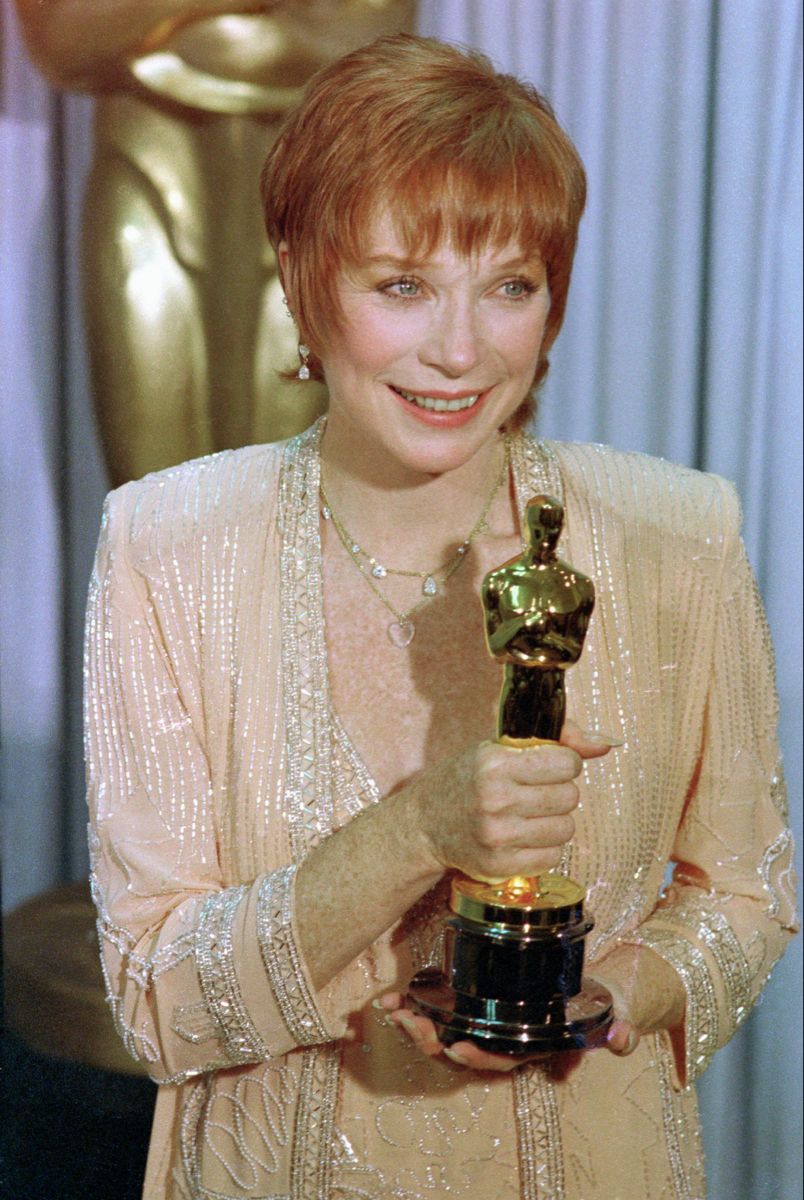
Shirley Maclaine 1960s A Cinematic Icons Golden Era
Lead: The 1960s marked a pivotal decade for Shirley MacLaine, solidifying her status as a cinematic icon whose work continues to resonate. This era showcased her remarkable versatility, sharp comedic timing, and profound dramatic depth, defining a significant chapter in Hollywood history. Readers will gain insight into the roles, impact, and lasting legacy that established MacLaine as one of the most distinctive and influential actresses of her time.
What Is Shirley MacLaine's 1960s Golden Era as a Cinematic Icon?
Shirley MacLaine's "golden era" in the 1960s refers to the period where her film career reached its zenith, characterized by a series of critically acclaimed and commercially successful performances. During this decade, MacLaine shed earlier ingenue roles, embracing more complex, often unconventional, and deeply human characters that challenged societal norms and Hollywood archetypes. This era established her as a formidable presence capable of navigating both sophisticated comedy and profound drama with equal mastery.
- Breakthrough Roles: Starring in films that pushed boundaries and garnered significant critical attention.
- Versatility: Demonstrating a rare ability to excel across genres, from romantic comedies to gritty dramas.
- Cultural Resonance: Portraying characters who reflected and influenced the evolving social landscape of the 1960s.
- Collaborations: Forming memorable partnerships with legendary directors and co-stars.
Why Shirley MacLaine's 1960s Golden Era Is Trending
Interest in Shirley MacLaine's 1960s filmography continues to experience renewed attention for several reasons. The ongoing fascination with classic Hollywood, fueled by streaming platforms making these films more accessible, allows new generations to discover her groundbreaking work. Furthermore, the enduring relevance of her performancesparticularly her portrayal of strong, independent, and often flawed womenaligns with contemporary discussions around female representation and empowerment in cinema. Film retrospectives, historical analyses, and the evergreen appeal of quality storytelling contribute to her sustained popularity.
Dates, Locations, or Key Details
The core of Shirley MacLaine's golden era spans from 1960 to 1969. During this timeframe, many of her most celebrated films were released, primarily produced in Hollywood, California. Key highlights include:
- 1960: The Apartment MacLaine earned an Academy Award nomination for Best Actress for her portrayal of Fran Kubelik, a performance widely considered a career-defining moment. Directed by Billy Wilder, the film explored themes of loneliness and corporate ladder-climbing with a darkly comedic touch.
- 1961: Two Loves A more dramatic role showcasing her range.
- 1963: Irma la Douce Reunited with Billy Wilder and Jack Lemmon, MacLaine delivered an iconic performance as a Parisian prostitute, earning another Best Actress Oscar nomination and solidifying her comedic prowess.
- 1964: What a Way to Go! A star-studded comedy showcasing her ability to carry a lighthearted, yet visually extravagant, production.
- 1966: Gambit A stylish caper film opposite Michael Caine.
- 1967: Woman Times Seven A series of vignettes allowing her to portray diverse female characters.
- 1969: Sweet Charity Though a commercial disappointment at the time, her performance as Charity Hope Valentine, directed by Bob Fosse, is now regarded as a cult classic and a testament to her talents in musical theater and dance.
How To Explore Shirley MacLaine's 1960s Cinematic Golden Era
Engaging with Shirley MacLaine's influential 1960s filmography is straightforward, thanks to modern accessibility:
- Streaming Services: Many of her classic films are available on major streaming platforms such as HBO Max, Amazon Prime Video, Hulu, and Apple TV, either through subscription or for rent/purchase.
- Classic Film Channels: Turner Classic Movies (TCM) frequently features MacLaine's films, often accompanied by insightful commentary.
- DVD/Blu-ray Collections: For film enthusiasts, physical media offers high-quality viewing and often includes special features like director commentaries or behind-the-scenes documentaries.
- Public Libraries: Many local libraries offer collections of classic films for borrowing.
- Film Festivals and Retrospectives: Keep an eye out for local art-house cinemas or film societies that may host special screenings or career retrospectives dedicated to cinematic icons.
What To Expect
- Unforgettable Characters: Encounter women who are complex, resilient, and often ahead of their time, from the vulnerable Fran Kubelik to the vivacious Irma la Douce.
- Masterful Performances: Witness a blend of subtle nuance and grand theatricality, showcasing MacLaine's unique acting style that captivates and endures.
- Iconic Directorial Vision: Experience the distinct artistic signatures of directors like Billy Wilder and Bob Fosse, who collaborated with MacLaine during this fertile period.
- Social Commentary: Discover films that subtly (or overtly) reflected the changing social fabric of the 1960s, touching on themes of gender roles, morality, and individual freedom.
- Enduring Entertainment: Enjoy films that stand the test of time, offering both comedic relief and poignant drama that remains relevant today.
The Broader Impact of Shirley MacLaine's 1960s Golden Era
Shirley MacLaine's work in the 1960s had a profound influence on culture and entertainment, particularly in challenging established notions of leading women in cinema. Her characters were often working-class, morally ambiguous, or deeply flawed, yet always imbued with a compelling humanity that resonated with audiences. This broke ground for subsequent actresses, demonstrating that complex, non-traditional female protagonists could drive successful narratives. Her ability to command both the box office and critical respect paved the way for more nuanced portrayals of women in an era of significant social upheaval. Her performances provided a mirror to a society grappling with changing norms, offering both escapism and subtle critique through compelling storytelling.
Shirley MacLaine in the 1960s was an artist perfectly tuned to the zeitgeist. She embraced roles that were honest, sometimes uncomfortable, and always brimming with an undeniable spirit. Her legacy is not just in her performances, but in how she expanded the definition of what a Hollywood leading lady could be.
Economic or Social Insights
The commercial success of films like The Apartment and Irma la Douce, featuring Shirley MacLaine, underscored a growing appetite among audiences for sophisticated narratives that blended humor with depth. This demonstrated a market for films that explored adult themes and complex relationships, moving beyond the more conservative fare of previous decades. Her ability to draw audiences, coupled with critical acclaim, solidified her position as a bankable star. This commercial viability allowed studios to invest in more daring projects, indirectly influencing the types of stories Hollywood pursued. Her films often reflected shifts in social attitudes towards women, work, and independence, providing a cultural touchstone for viewers. This period of artistic and commercial synergy cemented her enduring influence on the entertainment economy, as reported by various film historians and industry analysts.
Frequently Asked Questions About Shirley MacLaine's 1960s Cinematic Golden Era
- What is Shirley MacLaine's 1960s cinematic golden era? This refers to the decade of the 1960s, a highly productive and critically acclaimed period in Shirley MacLaine's career where she starred in a series of iconic films that defined her as a versatile and influential actress, known for her unique blend of comedic timing and dramatic intensity.
- Why is Shirley MacLaine's 1960s golden era popular? Its popularity stems from the timeless quality of her performances, the enduring relevance of the themes explored in her films, and a renewed appreciation for classic cinema enabled by modern streaming services and digital access. Her characters continue to resonate with contemporary audiences.
- How can people participate or experience it? Audiences can experience this era by watching her films on streaming platforms, purchasing DVD/Blu-ray editions, tuning into classic film channels like TCM, or attending special retrospectives at film festivals or local cinemas.
- Is it legitimate or official? The designation of the 1960s as a "golden era" for Shirley MacLaine is a widely recognized and well-documented period in film history, affirmed by critical consensus, academic studies, and numerous awards and nominations she received during that time.
- What can attendees or users expect? Viewers can expect to witness powerful, nuanced acting, engaging storytelling, memorable characters, and a significant window into Hollywood's creative output and societal reflections of the 1960s, offering both entertainment and historical insight.
Conclusion
Shirley MacLaine's 1960s cinematic golden era represents a pinnacle in her illustrious career, a period where she masterfully crafted a legacy of indelible performances. Her work during this transformative decade not only cemented her status as a cinematic icon but also profoundly influenced the landscape of female representation in film. Her ability to blend wit, vulnerability, and resilience into her characters continues to inspire and entertain, making her 1960s filmography a vital part of cinematic history. Exploring this period offers a rich tapestry of storytelling, character development, and cultural insight.
Call to Action: Discover the compelling performances and groundbreaking narratives from Shirley MacLaine's golden era by exploring her iconic 1960s films on your preferred streaming service or classic film platform today. Engage with a pivotal chapter in cinematic history and witness the enduring artistry of a true icon.