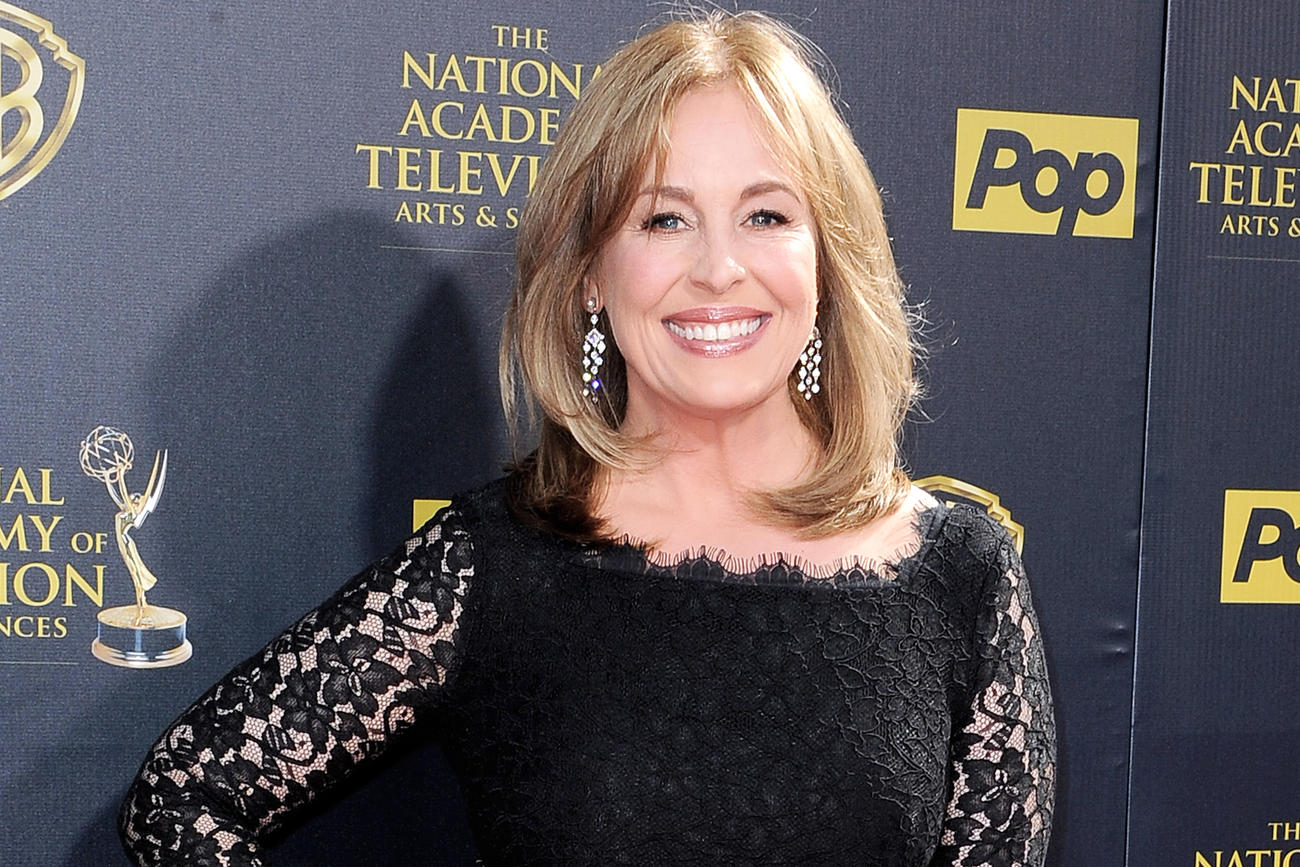
The Iconic Life Of Genie Francis Soap Opera Royalty
Lead: Genie Francis has carved an indelible legacy in the annals of daytime television, ascending to a status rarely achieved by performers in any medium. Her journey through the complex narratives of soap operas has captivated generations, defining not just a character, but an entire era of television storytelling. This article delves into the iconic life of Genie Francis, exploring her rise to prominence, her enduring influence, and why she remains synonymous with the very essence of soap opera royalty.
What Is the iconic life of Genie Francis soap opera royalty?
The phrase "the iconic life of Genie Francis soap opera royalty" encapsulates the multifaceted career and cultural impact of actress Genie Francis. Born Eugenia Ann Francis on May 26, 1962, her professional life began in the late 1970s, but it was her role as Laura Vining (later Spencer) on ABC's General Hospital that cemented her legendary status. Her portrayal of Laura, a character who evolved from a vulnerable teenager to a resilient matriarch, became a touchstone for millions of viewers. This "royalty" status is not merely a title but a recognition of:
- Her groundbreaking performance in one of television's most famous "supercouples."
- Her consistent presence in daytime television for over four decades.
- Her ability to navigate complex storylines with depth and authenticity.
- Her enduring connection with a dedicated fanbase that spans generations.
Why the iconic life of Genie Francis soap opera royalty Is Trending
Genie Francis's enduring relevance continues to trend for several compelling reasons. In an age of streaming and fragmented media, the appeal of long-form, character-driven narratives like those found in soap operas holds a nostalgic pull. Francis represents the golden age of daytime television, a period when soap opera storylines regularly dominated water cooler conversations and mainstream media. Her continued presence on General Hospital, coupled with retrospective looks at her career by various entertainment outlets, keeps her in the public consciousness. The renewed appreciation for her groundbreaking work highlights a cultural longing for enduring characters and epic romances, proving that true "soap opera royalty" never fades.
Dates, Locations, or Key Details
Genie Francis's iconic journey began in 1976 when she first appeared on General Hospital. While she had roles on other prominent soaps like Days of Our Lives (Diana Colville) and All My Children (Cady Long), it was her on-again, off-again tenure as Laura Spencer on General Hospital that defined her career. Key milestones include:
- 1977: Her character, Laura, is paired with Luke Spencer (Anthony Geary), creating television's most famous supercouple.
- 1981: The wedding of Luke and Laura draws an estimated 30 million viewers, becoming the highest-rated event in daytime television history. This remains a pivotal moment in American pop culture.
- 1984-1986: A brief departure from General Hospital to pursue other projects.
- 1993-2002, 2006-2008, 2013-Present: Multiple returns to General Hospital, solidifying her legacy and reuniting her with iconic co-stars.
- Various Awards: A Daytime Emmy Award for Outstanding Supporting Actress in a Drama Series (2007), among other nominations.
Her story is intrinsically tied to the fictional town of Port Charles, the setting for General Hospital, which serves as the backdrop for her character's countless trials and triumphs.
How To Get Involved or Access the iconic life of Genie Francis soap opera royalty
For those eager to experience or revisit the iconic life of Genie Francis, several avenues are available:
- Current Episodes: Tune into General Hospital on ABC, which airs weekdays. Check local listings for exact times.
- Streaming Services: Full episodes of General Hospital are often available on Hulu and the ABC app, typically the day after they air.
- Classic Storylines: Various fan sites and YouTube channels frequently host clips and compilations of classic Luke and Laura moments. Official General Hospital social media channels also share throwback content.
- Fan Communities: Join online forums, social media groups, and fan pages dedicated to General Hospital and Genie Francis to engage in discussions and connect with fellow enthusiasts.
- Interviews and Documentaries: Search for archival interviews with Genie Francis on platforms like YouTube or entertainment news sites to gain insights into her career and personal experiences.
What To Expect
- A Journey of Resilience: Expect to see a portrayal of a character who has faced unimaginable challenges, showcasing an enduring spirit.
- Unforgettable Chemistry: Witness the legendary on-screen chemistry that defined a generation of supercouples and set a benchmark for romance on television.
- Impact on Pop Culture: Understand why the Luke and Laura phenomenon transcended daytime television, influencing music, fashion, and social trends of the era.
- A Masterclass in Acting: Observe Francis's ability to convey deep emotion and complexity, making her character relatable and beloved for decades.
The Broader Impact of the iconic life of Genie Francis soap opera royalty
Genie Francis's impact extends far beyond her individual performances; she fundamentally shaped the landscape of daytime entertainment. Her storyline with Anthony Geary as Luke Spencer created the blueprint for the "supercouple" phenomenon, elevating soap opera characters to national celebrity status. This, in turn, boosted ratings, generated massive advertising revenue for networks, and proved the power of compelling serialized storytelling. Her career trajectory also highlights the dedication and longevity possible within the demanding world of daytime drama, influencing countless aspiring actors and solidifying the genre's place in American culture. Her character's journeys often mirrored societal discussions, lending a weight and relevance to the escapist nature of soaps.
Genie Francis isn't just an actress; she's a cultural touchstone. Her portrayal of Laura Spencer defined what a soap opera hero could be complex, vulnerable, and utterly captivating. Her legacy is one of the most enduring stories in television history.
Economic or Social Insights
The economic impact of Genie Francis's peak popularity, particularly during the Luke and Laura wedding in 1981, was substantial. That event alone generated millions in advertising revenue for ABC and cemented General Hospital as a daytime powerhouse. The enduring appeal of characters like Laura Spencer contributes significantly to the financial stability of long-running shows, providing a consistent audience base for advertisers. Socially, the Luke and Laura phenomenon fostered a sense of collective viewing and community, with families and friends gathering daily to follow their saga. This collective experience, though altered by modern media consumption, speaks to the powerful role soap operas once played in the daily lives of millions, as often noted in analyses by media journals and entertainment news outlets.
Frequently Asked Questions About the iconic life of Genie Francis soap opera royalty
- What is the iconic life of Genie Francis soap opera royalty? It refers to the distinguished and influential career of actress Genie Francis, particularly her role as Laura Spencer on General Hospital, which has made her a legendary figure in daytime television and a benchmark for enduring popularity and cultural impact within the soap opera genre.
- Why is the iconic life of Genie Francis soap opera royalty popular? Her popularity stems from her deep connection with audiences formed over decades, her groundbreaking portrayal of a pivotal character in television history, and the nostalgia associated with the golden age of soap operas. Her ability to consistently deliver powerful performances keeps her relevant.
- How can people participate or experience it? Viewers can watch current episodes of General Hospital on ABC or streaming platforms like Hulu. They can also explore classic clips and fan communities online to delve into her extensive history on the show.
- Is it legitimate or official? Genie Francis's status as "soap opera royalty" is an unofficial but widely acknowledged title within the entertainment industry and among fans, recognizing her authentic and profound contributions to the genre and her consistent presence on General Hospital.
- What can attendees or users expect? Those engaging with her work can expect compelling drama, intricate character development, and a deep dive into storylines that have resonated with millions, showcasing the unparalleled storytelling power of classic daytime television.
Conclusion
The iconic life of Genie Francis is more than a narrative of an actress; it is a testament to the power of compelling storytelling and the profound connection television can forge with its audience. As "soap opera royalty," Francis has not only entertained but has also influenced the very fabric of popular culture, demonstrating remarkable resilience and unwavering talent throughout her extensive career. Her legacy as Laura Spencer continues to inspire and captivate, proving that true icons transcend fleeting trends to leave an everlasting mark.
Call to Action: To immerse yourself further in the enduring legend, viewers are encouraged to watch General Hospital on ABC, stream recent episodes on Hulu, or explore the rich archives of her career available through official General Hospital channels and dedicated fan communities.